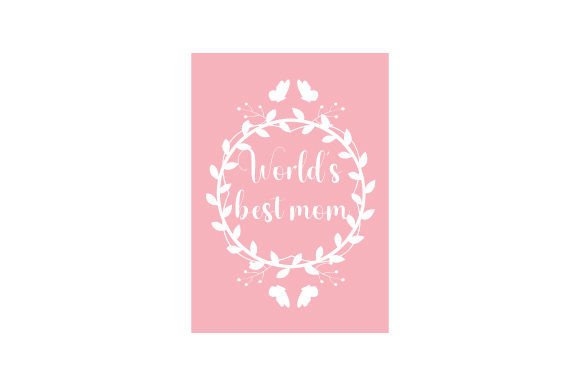
Intricate Cut Mother’s Day Card Review
As a designer who spends more time than I care to admit staring at stitch charts and fabric swatches, I have learned that the difference between a "nice" handmade item and a "must-buy" boutique piece often comes down to one thing: detail integrity. When evaluating an intricate cut design for real-world application, I am not just looking at the shape; I am looking at how it behaves under the needle. Today, I am putting the Intricate Cut Mother s Day Card - World s Best Mom under the microscope. This is not just another generic heart or flower pattern. It is a specific asset intended for the intricate cuts category within crafts, and its potential value for Etsy sellers, small business owners, and serious hobbyists depends entirely on execution.
The First Impression: Mood and Visual Personality
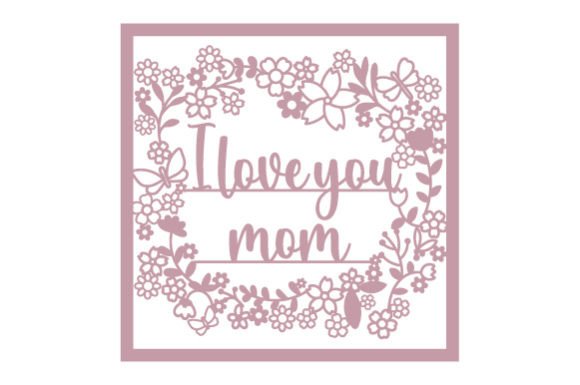
When you first load this embroidery file into your digitizing software, the immediate takeaway is the narrative quality of the design. The title suggests a card format, but in embroidery, we rarely stitch actual paper. Instead, we translate the aesthetic of a greeting card into textile form. The Intricate Cut Mother s Day Card - World s Best Mom creates a mood of refined sentimentality. It feels less like a casual craft project and more like a thoughtful, personalized gift meant to be displayed or used with intention.
The visual personality here is clean but detailed. For those of us who design for the handmade product market, there is a growing demand for items that look sophisticated rather than cluttered. This design leans into that trend. The layout likely balances negative space with concentrated detail, which is crucial for maintaining stitching clarity. If the design were too dense, it would lose its elegance; if it were too sparse, it might feel unfinished. Based on the "intricate cut" classification, we are looking at precision lines and defined shapes that mimic the crispness of a die-cut card. This aesthetic translates beautifully to custom apparel and home decor because it reads as intentional and high-quality.
Real-World Application: Where Does This Design Shine?
I recently considered using this design for a client request: a set of matching mother-and-child gifts. The challenge was finding a motif that worked for both a baby onesie and a larger tote bag without losing impact. Here is how the Intricate Cut Mother s Day Card - World s Best Mom performs across various embroidery projects.
- Tote Bag Design: This is perhaps the strongest use case. A structured canvas tote provides a stable surface for intricate detailing. The design can serve as the central focal point, offering a premium look that justifies a higher price point in a craft business. The contrast between the sturdy fabric and the delicate thread work enhances the perceived value.
- Sweatshirt Embroidery: For cozy, gift-oriented items, this design works well on the chest area of a crewneck sweatshirt. However, placement is key. Because it is an intricate cut, it needs breathing room. Placing it too close to seams or pockets can distort the shape during washing. Used correctly, it adds a layer of warmth and affection to everyday wear.
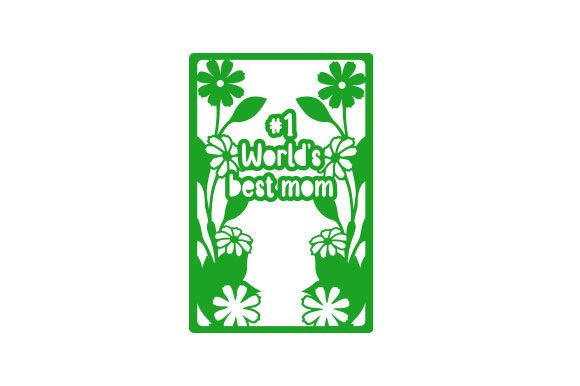
- Baby Embroidery: Soft cotton burp cloths or muslin blankets benefit from the gentle theme. The "World's Best Mom" text, if present and legible, adds a personal touch that resonates deeply with new parents. The design’s cleanliness ensures it does not overwhelm the soft texture of baby fabrics.
- Applique Design Potential: Depending on the digitization, this could also function effectively as an applique design. Using contrasting fabrics for the background and the cut-out shapes can add dimension, making the "card" element pop off the garment. This technique is excellent for commercial embroidery where standing out on a rack is essential.
Technical Considerations and Stitch Behavior
No matter how beautiful a design looks on screen, its success is determined by how it stitches. With Intricate Cut Mother s Day Card - World s Best Mom, several technical factors come into play.
Stitch Density and Clarity: Intricate designs often suffer from "mushy" edges if the stitch density is too high or too low. You must inspect the stitch density closely. Thin lines should use a fine satin stitch or a precise running stitch to maintain sharp corners. If the design relies heavily on fill stitch in small areas, it may become stiff and bulky, which is undesirable for items like caps or lightweight tees. Always review the vector paths in your software to ensure no overlapping elements are causing unnecessary thread consumption.
Hoop Size Constraints: Before committing to production, confirm the hoop size required. Large, complex designs need large hoops to prevent distortion. If you are attempting to stitch this on a smaller hoop, you risk warping the fabric, especially if you are using unstable materials. Check the bounding box of the design to ensure it fits your machine’s capabilities comfortably.
Thread Colors and Contrast: The effectiveness of any digital embroidery file hinges on color choice. For this specific design, high contrast is your friend. On dark fabrics, light threads will make the intricate details sing. On light fabrics, darker threads provide definition. Avoid low-contrast combinations (like beige thread on cream fabric) unless you are aiming for a very subtle, tonal look, which can sometimes hide the intricacy of the cut.
Pitfalls to Avoid: Where Caution Is Needed
Even a well-digitized design can fail due to poor material selection or improper setup. Here is where you need to be careful with this asset.
- Small Hoop Sizes: Do not attempt to stitch the finest details of this design in a hoop that forces you to reposition the fabric frequently. Each repositioning introduces a risk of misalignment. Stick to single-hoop placements whenever possible.
- Textured and Stretchy Fabrics: While denim or heavy canvas is great, highly textured fabrics like bouclé or stretchy knits without proper stabilization can cause the intricate lines to wobble. If you must use these fabrics, invest in a high-quality stabilizer—cut-away for knits, tear-away for wovens—to keep the thread colors sharp.
- Dense Stitch Areas: If the design includes small lettering or tiny decorative accents, test it on scrap fabric first. Tiny details can get lost in the thread pile if the stitch count is too high. Inspect small details under good lighting after stitching to ensure they are readable.
- Curved Surfaces: Applying this design to curved surfaces like caps or hats requires advanced skills. The flat nature of a "card" design may not conform well to a curved brim or crown without significant distortion. It is better suited for flat panels like aprons, pillow covers, or the front panel of a sweatshirt.
Business Value and Customer Appeal
For Etsy sellers and small shop product creators, the right design can significantly boost engagement. The Intricate Cut Mother s Day Card - World s Best Mom taps into the emotional market of gifting. Customers are not just buying an embroidered object; they are buying a sentiment. The professional finish of an intricate cut design signals quality, which builds customer trust and encourages repeat purchases.
Furthermore, this design is versatile enough for printable mockups and design assets listings. You can create digital previews showing the design on various backgrounds to help customers visualize the final result. This transparency reduces return rates and increases conversion. Whether you are selling physical goods or digital products, having a clean, well-executed design like this in your portfolio demonstrates competence.
Final Verdict and Designer Notes
The Intricate Cut Mother s Day Card - World s Best Mom is a strong candidate for designers seeking to elevate their holiday embroidery offerings. It offers a blend of sentimental value and visual sophistication that appeals to modern consumers. However, its success depends on your preparation.
Before you start producing, follow these practical steps:
- Test on Scrap Fabric: Always run a test stitch on the exact fabric you plan to sell. Check for puckering, thread breaks, and detail loss.
- Check Licensing: Confirm whether the embroidery file allows for commercial use. Selling finished items requires clear rights, while creating design assets for resale has different rules.
- Inspect Black and White Mockups: View the design in grayscale to ensure the contrast holds up without color distractions.
- Use Proper Stabilizer: Match your stabilizer to your fabric weight to ensure longevity, especially for items that require frequent washing.
If executed correctly, this design will not only look beautiful but will also perform reliably in the hands of your customers. It is a testament to the power of thoughtful digitization and strategic design selection. For anyone looking to add a touch of elegance to their handmade product line, this is a worthy addition to your library.